
Finding shoes for wide feet involves more than simply going up a size. The right fit should give your forefoot and toes enough room without allowing your heel to slip, which is why dedicated wide-width sizing—often marked W, WW, D, 2E, or another brand-specific code—is usually more useful than buying a longer shoe.
Shape and construction matter, too. Round, square, and almond toe boxes generally provide more usable space than sharply pointed styles, while adjustable straps, softer leather or suede uppers, and stable block heels can make dress shoes easier to fit. For heels in particular, a wider toe box and supportive heel base can reduce the pressure created when the foot is pushed forward.
Below, we explain how to tell whether you need a wider shoe, how women’s width codes differ between brands, and which shoe styles tend to work well for wider feet. We also look at retailers and footwear brands—including Torrid, Brooks Running, Lane Bryant, and Sargasso Grey—that offer dedicated wide or extra-wide options.
👠 Jump to a Wide-Width Shoe Guide:
- How to Tell If You Need Wide-Width Shoes
- How to Measure Wide Feet Read Width Codes
- What to Look for in Wide-Width Shoes
- Best Wide-Width Shoe Styles Brands
- 1. Birkenstock Sandals
- 2. Torrid Extra-Wide Flats
- 3. Brooks Running Shoes
- 4. Clarks Chelsea Boots
- 5. Skechers GO WALK Shoes
- 6. Sam Edelman Block Heels
- 7. Sargasso Grey Heels
- 8. ASOS Wide-Fit Loafers
How to Tell If You Need Wide-Width Shoes
You can have wide feet at virtually any shoe size. Foot length and foot width are separate measurements, so someone who wears a smaller numerical size can still need a wide or extra-wide shoe.
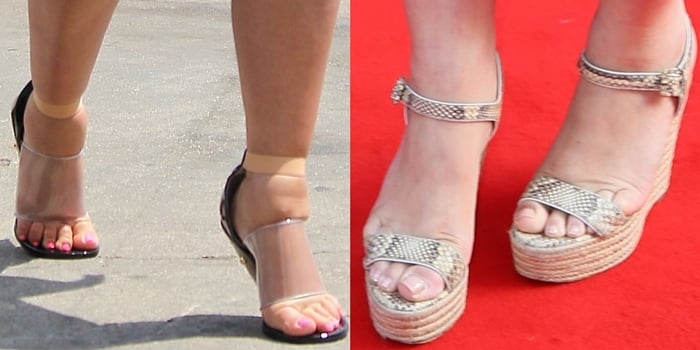 Pregnant celebrities Kim Kardashian, left, and Myleene Klass show how pregnancy-related swelling can affect the fit of strappy heels, with both wearing open-toe sandals that leave more room across the forefoot (Credit: Mario Mitsis / WENN)
One common clue is repeated pressure around the forefoot or toes. If otherwise correctly sized shoes consistently pinch across the widest part of your foot, rub at the sides, or compress your toes, the problem may be width, not length.
Shoes that are too narrow can create friction and pressure, contributing to blisters and aggravating existing foot problems such as bunions.
Foot shape can also change over time. Pregnancy, weight changes, swelling, aging, and changes in foot structure can all affect how shoes fit. A width that worked comfortably several years ago may no longer be the best fit.
Instead of automatically buying a larger numerical shoe size, check both your foot length and width. Sizing up for width alone can leave too much space in front of the toes and let the heel slide inside the shoe.
How to Measure Wide Feet and Read Women’s Shoe Width Codes
For the best starting point, measure both feet while standing and compare the larger measurement with the brand’s size chart. Measure from the heel to the longest toe for length, then across the widest part of the forefoot for width.
If you can visit a specialist shoe or running store, a fitting with a Brannock Device or another professional measuring system can help establish both dimensions.
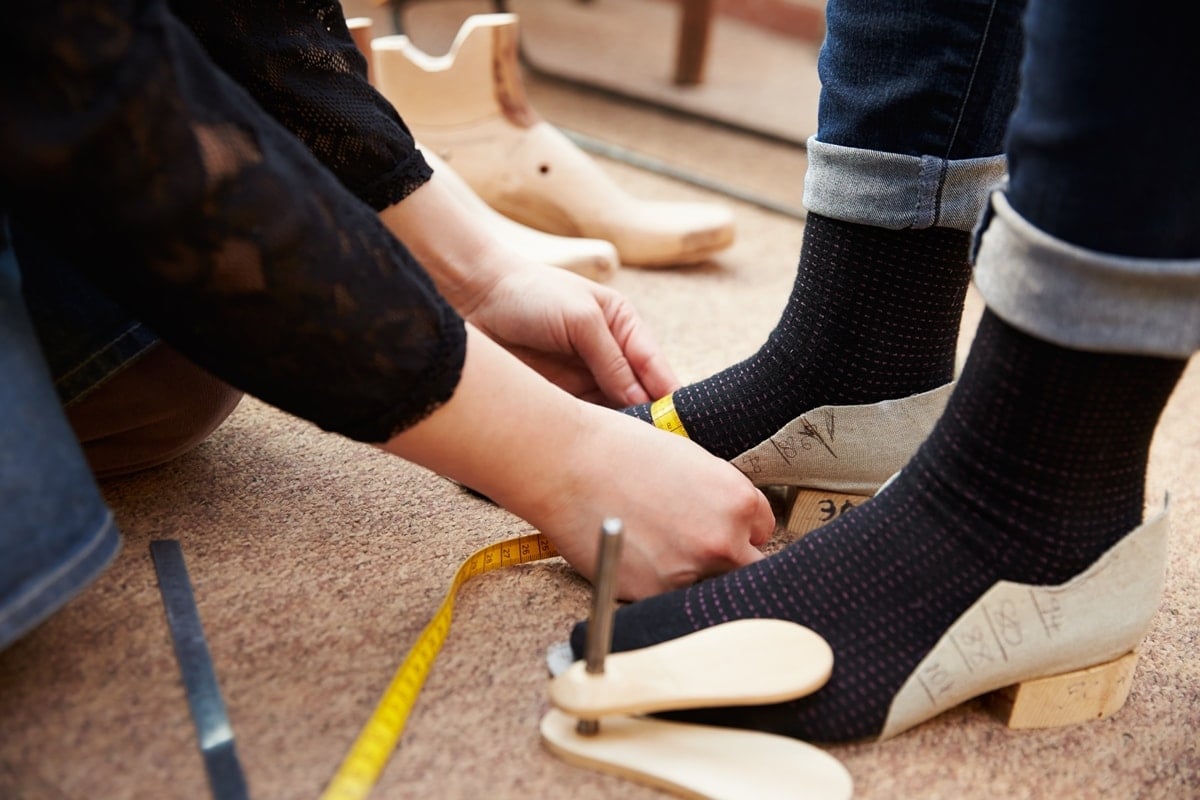 A professional shoe fitting measures both foot length and width, helping determine the correct shoe size and whether a wide or extra-wide fit is needed (Credit: Monkey Business Images / Shutterstock)
The difficult part is that shoe-width terminology is not universal. A letter that means standard width for one category or gender can mean wide in another, and individual brands may use W, WW, D, E, EE, 2E, or their own terminology.
Brooks Running, for example, labels women’s B as Medium, D as Wide, and 2E as Extra Wide. That makes the width code particularly useful when filtering technical running shoes online.
Torrid uses WW to identify its extra-wide women’s footwear. Rather than assuming you should automatically size down because the shoe is wider, compare your measurements with the retailer’s length and width chart, since fit can still change with the toe shape, upper material, and overall construction.
For boots, remember that foot width and calf width are different measurements. Lane Bryant, for example, makes wide-width footwear with additional room through both the sole and upper, while many of its tall boots also come with separate wide- or extra-wide-calf fits.
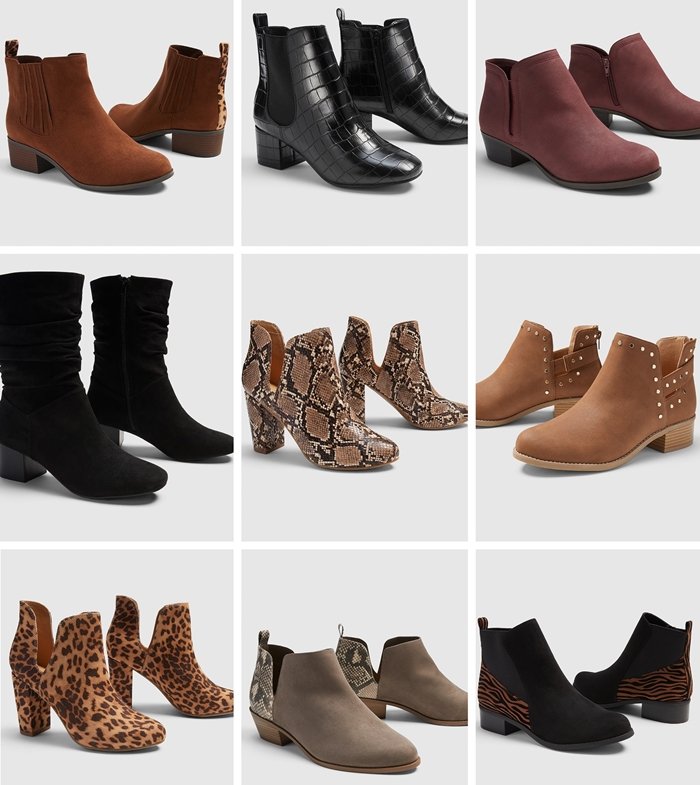 Lane Bryant offers wide-width footwear as well as wide- and extra-wide-calf options on selected boots
Because width standards can differ, treat the letter on the box as a starting point, not a universal measurement. The brand’s current size chart and your own foot measurements are more useful than assuming every W, WW, or E-width shoe will fit the same way.
What to Look for in Wide-Width Shoes
Width is only one part of fit. Two shoes labeled the same width can feel completely different depending on the toe shape, material, heel height, vamp, straps, and internal construction.
Toe-box shape: Round, square, and roomy almond toes generally provide more usable space across the forefoot than sharply pointed shoes. A pointed style can still fit a wide foot if it’s built on an appropriately wide last, but simply sizing up doesn’t guarantee more room where you need it.
Material: Soft leather and suede can gradually conform to the shape of the foot more readily than many stiff synthetic uppers. That does not mean you should buy a narrow shoe expecting it to stretch enough; it should feel reasonably comfortable from the start.
Heel type: For wide-width heels, block heels and wedges usually provide a broader base than narrow stilettos. Heel height and pitch also matter because a steeper shoe shifts more weight toward the forefoot.
Vamp and straps: Adjustable ankle, slingback, or forefoot straps can make it easier to fine-tune fit. A lower-cut vamp may also place less rigid material across the widest part of the foot than a tightly enclosed pump.
Whole-foot fit: Do not focus only on the widest point below your toes. A good shoe also needs to hold the heel and midfoot securely. Going excessively wide can create heel slippage and friction.
For closed shoes, an insole or gel insert may add cushioning, but remember that an insert also takes up internal space. If the shoe is already snug across the forefoot, adding a thick insole can make the fit tighter.
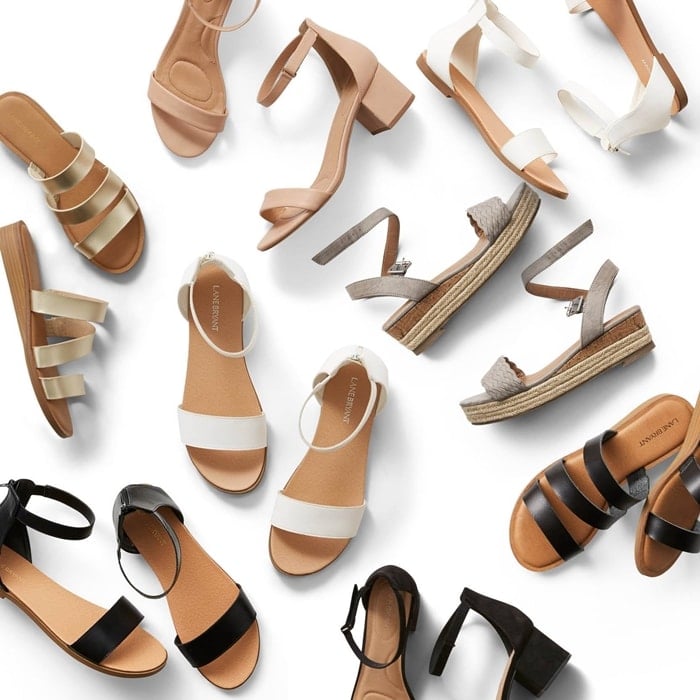 A range of wide-width sandals shows how roomier footbeds, adjustable ankle straps, and broader forefoot construction can improve fit without forcing shoppers to size up in length
8 Wide-Width Shoe Styles and Brands Worth Knowing
The most comfortable silhouette depends on your individual foot shape, but several shoe types are particularly useful because they combine additional toe room with adjustable or supportive construction.
When shopping online, filter specifically by width rather than numerical size alone. Retailers such as Nordstrom also let shoppers browse women’s shoes by width, making it easier to compare options from multiple brands.
1. Birkenstock: Adjustable Sandals for Wide Feet
Adjustability is one reason sandals can work particularly well for wider feet. Buckled straps let you alter the fit across different parts of the foot instead of relying entirely on a fixed upper.
Birkenstock sandals are a popular example, with footbed shapes and adjustable straps that can accommodate a range of foot shapes. Check the width marking on the individual pair, since Birkenstock offers different footbed widths.
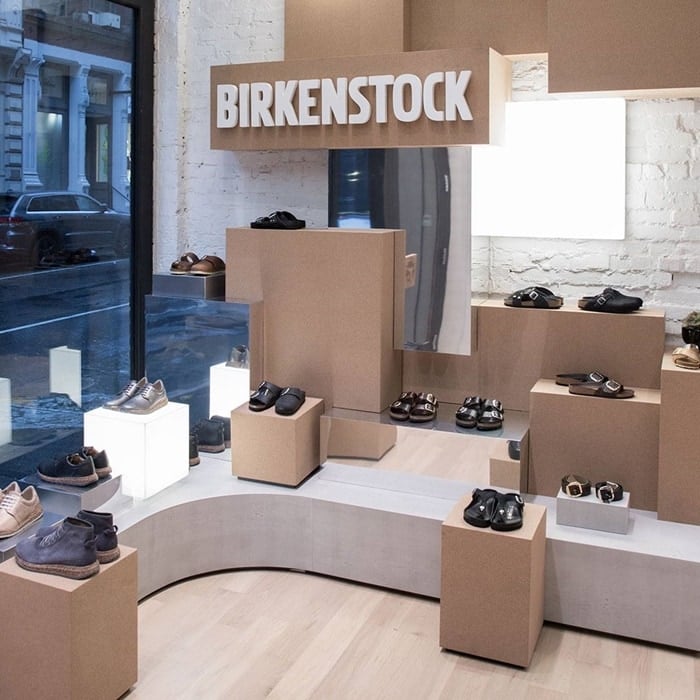 Adjustable buckles let Birkenstock wearers fine-tune the fit across the foot
The roomy toe area found on many Birkenstock shoes can also be preferable to sandals that taper aggressively toward the toes.
2. Torrid: Extra-Wide Flats and Shoes in WW Width
For shoppers who routinely find standard women’s wide shoes too narrow, Torrid is notable for its WW extra-wide footwear sizing.
Round- and square-toe flats can be particularly practical because their shape leaves more usable room across the toes than sharply tapered silhouettes. Torrid also carries heels, sandals, sneakers, boots, and other styles using its extra-wide sizing system.
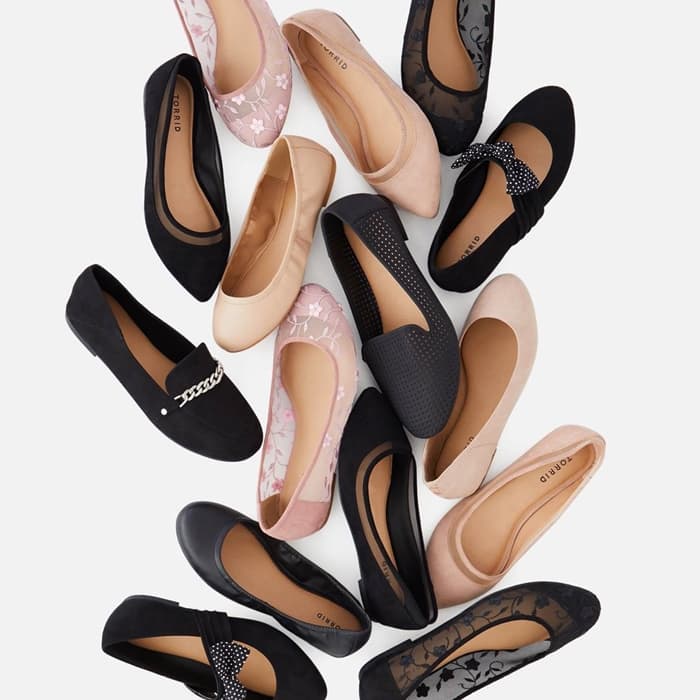 Torrid uses WW to designate extra-wide footwear, with fit still varying by silhouette and construction
Because WW affects width rather than simply making the whole shoe longer, use Torrid’s measurements instead of automatically buying a smaller or larger numerical size. Pay particular attention to the fit notes for pointed shoes, boots, and other structured styles.
3. Brooks Running: Women’s D Wide and 2E Extra-Wide Shoes
Sneakers are not automatically forgiving for wide feet. A running shoe that compresses the forefoot or leaves toes with too little room can become uncomfortable even if the numerical length is correct.
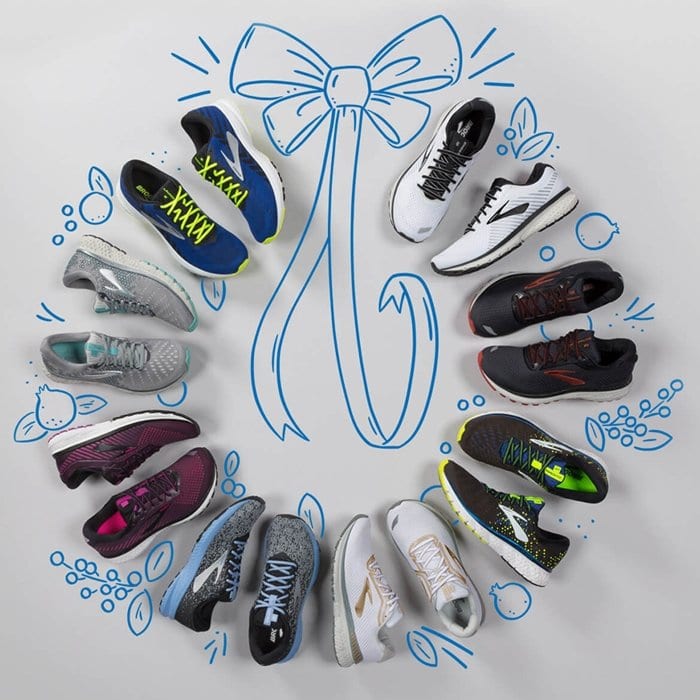 Brooks Running uses specific width codes that make it easier to distinguish standard, wide, and extra-wide women’s running shoes
Brooks Running uses clear women’s width designations: B is Medium, D is Wide, and 2E is Extra Wide. That makes it easier to search for the same running model in a roomier version rather than simply increasing its length.
If the shoes are intended for running rather than casual wear, a fitting at a specialist running store can also help determine whether you need additional width through the forefoot, midfoot, or both.
4. Clarks: Wide-Fit Chelsea Boots
Clarks has a long history of making practical everyday footwear and offers selected styles in wider fits.
Chelsea boots are worth considering because many versions combine a rounded or almond-shaped toe with elastic side panels. The stretch panels help with entry, while a broader toe shape can provide more usable room than a sharply pointed boot.
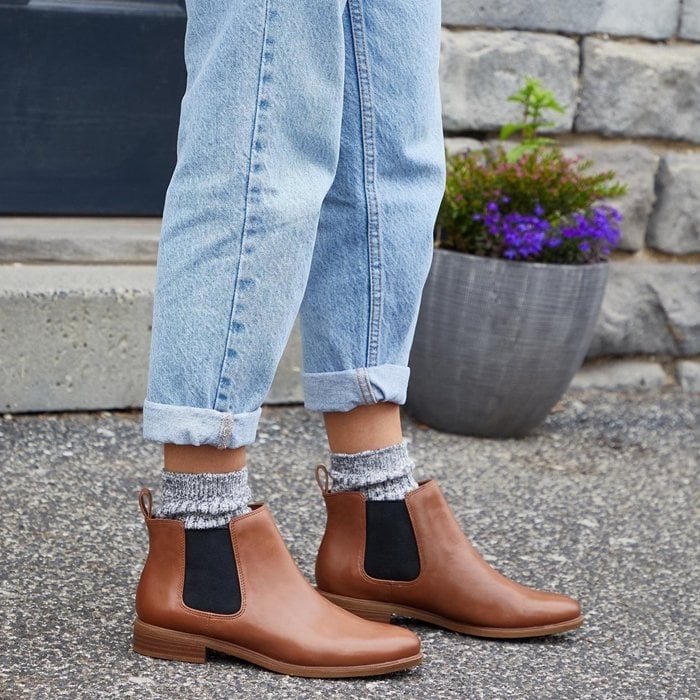 Chelsea boots often combine a relatively roomy toe shape with flexible elastic side panels
Check the width offered for the individual style rather than assuming every Clarks boot uses the same last. Socks can also noticeably change fit, so try boots with the type of socks you’ll wear most often.
5. Skechers GO WALK: Wide Walking Shoes
The Skechers GO WALK line focuses on lightweight walking shoes, with wide-fit options available in selected models.
Slip-on walking shoes can work well for everyday use when their upper has enough flexibility to accommodate the forefoot without squeezing it. As with running shoes, however, the heel should remain secure rather than sliding up and down with every step.
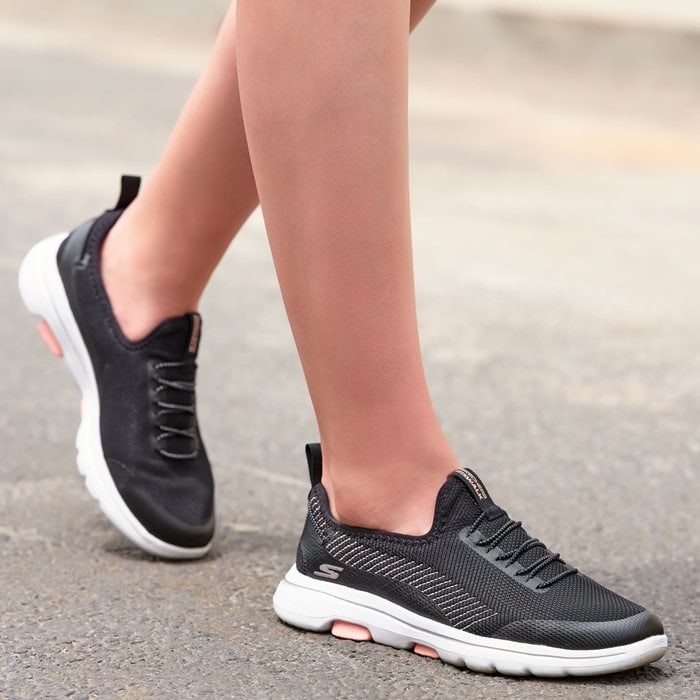 Skechers GO WALK includes wide-fit walking shoes designed for casual and everyday wear
Look beyond cushioning alone: toe-box width, upper flexibility, heel security, and seam placement around sensitive areas can all affect comfort.
6. Sam Edelman: Wide-Width Block Heels
Wide feet do not rule out heels. The key is finding a heel built in the correct width rather than trying to make a standard-width pump work by sizing up.
Sam Edelman offers selected women’s styles in wide widths, including dressier options.
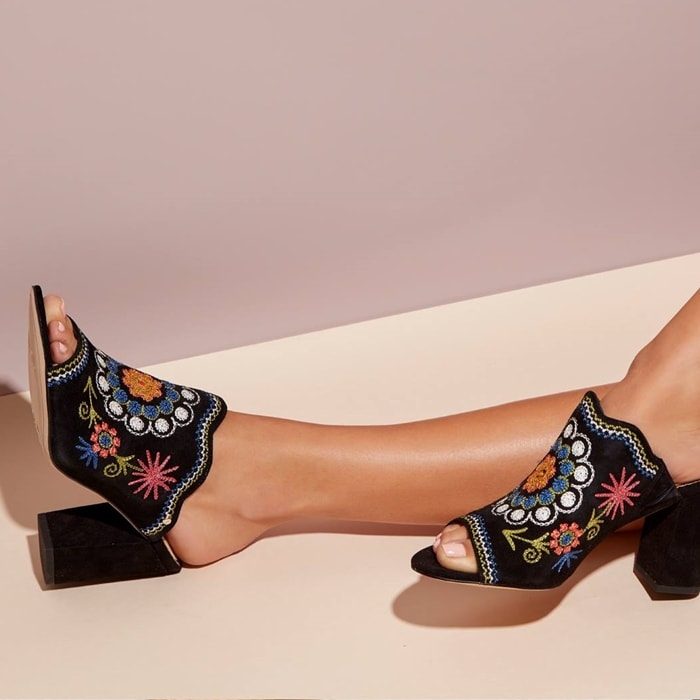 Block heels can provide a broader base while open toes and adjustable straps give the forefoot more flexibility
For special-occasion shoes, a block heel paired with an open or roomier toe box can be a more forgiving combination than a steep, sharply pointed stiletto. Adjustable ankle straps can also help secure the heel without squeezing the forefoot into place.
7. Sargasso Grey: EE and EEE Heels With Roomier Toe Boxes
Sargasso Grey is especially relevant for women who need extra room at the forefoot but do not necessarily need an equally wide heel.
The brand uses bespoke lasts with wider toe boxes, and the width varies by style. Some shoes have an EE-width toe box, while extra-wide designs can reach EEE. Many are shaped to provide more space around the toe joint and bunion area while keeping the remainder of the shoe closer to a standard fit.
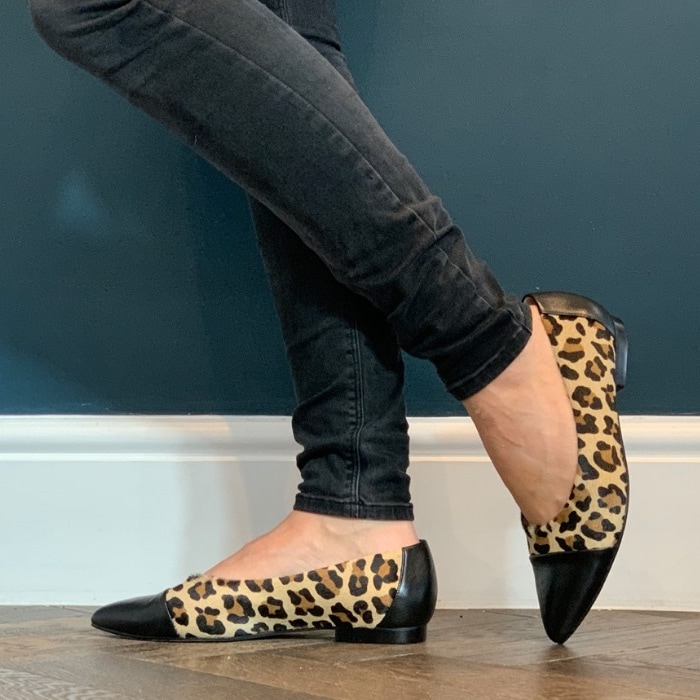 Sargasso Grey designs many of its shoes with additional width concentrated around the forefoot and toe box
Its dress shoes also show why you should consider width labels alongside shape: someone with a broad forefoot and narrower heel may benefit from a shoe that adds volume at the toes without being oversized everywhere else.
8. ASOS: Wide-Fit Loafers for Everyday Wear
Loafers can be a useful everyday option for wide feet because many styles have a relatively low heel and a more structured, less aggressively tapered toe shape than traditional pointed pumps.
ASOS carries a dedicated selection of wide-fit footwear across its own labels and other brands, making it a good place to compare different silhouettes in one place.
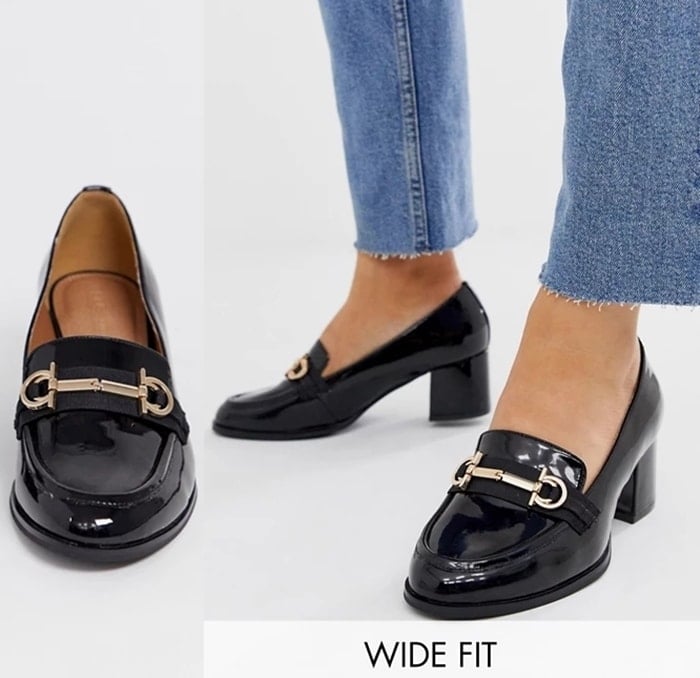 Wide-fit loafers combine an everyday silhouette with additional room through the foot
Pay attention to the toe shape and vamp depth when choosing loafers. A shoe can be labeled wide and still feel restrictive if the upper cuts across a high instep or the toe narrows too quickly.
Finding the Right Wide-Width Shoe Comes Down to Fit, Not Just Size
Women with wide feet have far more options than simply buying a longer shoe. Dedicated W, WW, D, 2E, EE, and EEE sizing can provide extra room where you need it, while details like toe shape, material, heel construction, and adjustable straps can make just as much difference to the final fit.
The most useful approach is to measure both the length and width of your feet, check the individual brand’s current size chart, and choose a shoe shape that suits your foot rather than relying on the size printed on another pair you own.
A wide shoe should feel comfortably spacious without letting your foot slide around. When the length, width, toe box, and heel all work together, there should be no need to choose between shoes that look good and shoes you can comfortably wear.